Vietnam Industry Applications have matured into a diversified and technically capable manufacturing ecosystem serving global markets. Over the past decade, Vietnam has transitioned from a cost-driven production base into a precision-oriented industrial platform supporting aerospace machining, EV components, heavy industrial equipment, and smart factory integration.
International buyers increasingly view Vietnam not only as a secondary sourcing location but as a strategic long-term manufacturing partner. This shift is driven by improvements in engineering depth, quality management systems, digital transformation, and supply chain infrastructure. Today, Vietnam Industry Applications extend across transportation systems, industrial machinery, energy equipment, and automation platforms.
This pillar page provides a comprehensive analysis of the country’s industrial capabilities, with particular emphasis on transportation machining, specialized industrial components, and Industry 4.0 development.
Vietnam Industry Applications in Transportation Manufacturing
Transportation remains one of the most demanding sectors within the industrial landscape. Aerospace, automotive, and electric vehicle manufacturing require tight tolerances, material expertise, and structured quality systems.
Transportation Machining Vietnam
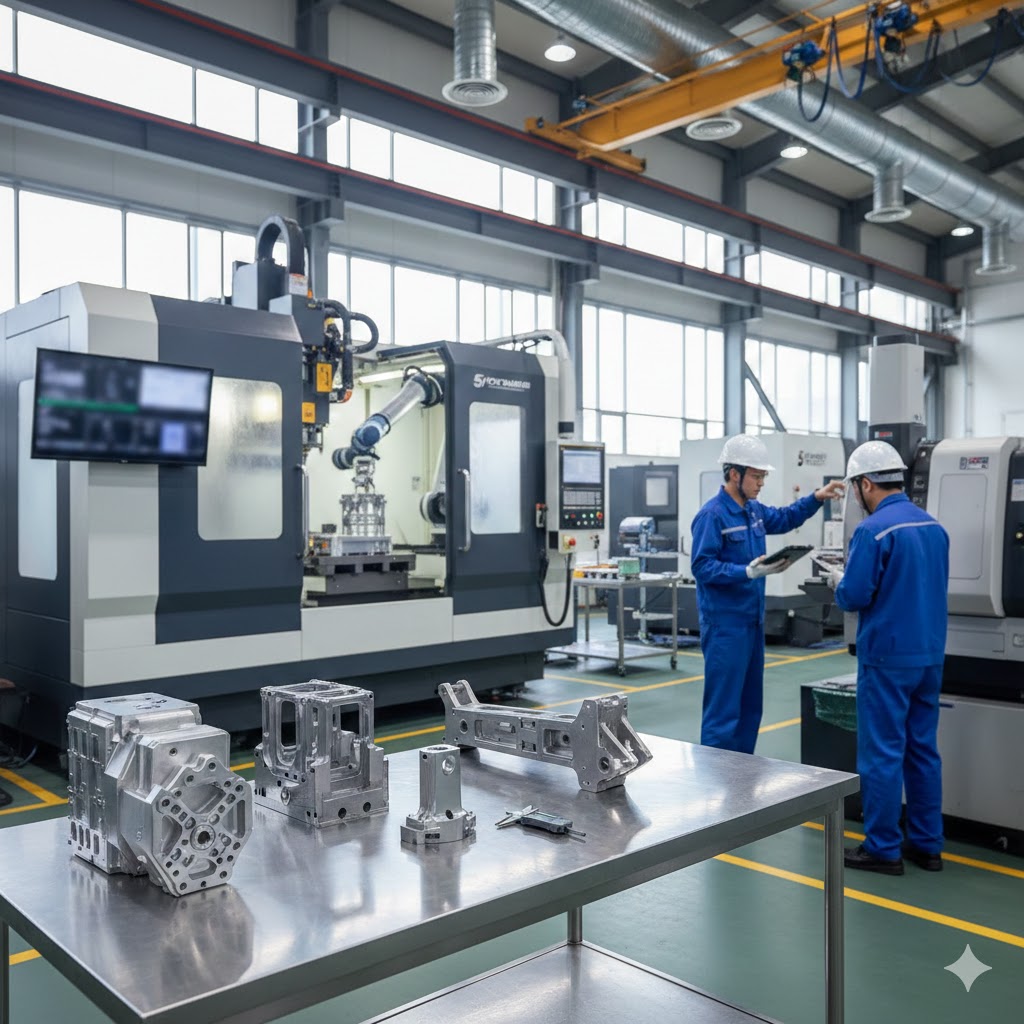
The rise of Transportation Machining Vietnam reflects the country’s ability to support high-precision, export-grade production. Advanced facilities operate multi-axis CNC machining centers capable of producing complex geometries in aluminum, stainless steel, and specialty alloys.
In aerospace-related projects, production includes:
• Structural aluminum brackets
• Precision housings and casings
• Titanium fittings
• Aircraft interior components
For automotive and EV sectors, typical outputs include:
• Battery enclosure systems
• Thermal management cooling plates
• Motor housings
• Drivetrain components
These products require strict dimensional accuracy and surface quality. As a result, manufacturers implement coordinate measuring machines, automated probing systems, and statistical process control methods.
Moreover, compliance frameworks such as ISO 9001 and IATF 16949 are widely adopted among export-oriented suppliers. This structured quality approach strengthens credibility in global procurement programs.
Transportation Machining Vietnam offers buyers a combination of cost efficiency, mid-volume flexibility, and improving technical sophistication.
Industrial Machinery and Heavy Equipment Manufacturing
Beyond transportation, Vietnam’s industrial ecosystem supports machinery, construction equipment, agricultural systems, and hydraulic assemblies.
Vietnam Industrial Components
The growth of Vietnam Industrial Components production highlights the country’s expanding engineering maturity. Modern factories integrate CNC machining, robotic welding, laser cutting, and surface treatment processes within coordinated industrial parks.
Common products include:
• Hydraulic press frames
• Heavy-duty structural assemblies
• Precision shafts
• Custom mounting brackets
• Equipment chassis structures
Integrated production lines reduce dependency on multiple subcontractors. Machining, heat treatment, coating, and assembly can often be completed within a single industrial zone, improving timeline predictability.
Additionally, many suppliers provide design optimization support. Engineering teams collaborate with international buyers to refine tolerances, material grades, and manufacturability, reducing total production costs without compromising performance.
This collaborative capability distinguishes Vietnam from purely low-cost assembly markets.
Digital Transformation and Smart Manufacturing
Automation and digitalization are increasingly embedded within industrial operations. The integration of data-driven manufacturing systems improves productivity and traceability.
Industry 4.0 Vietnam
The adoption of Industry 4.0 Vietnam technologies continues to expand across key industrial clusters. Smart factory initiatives include:
• Real-time production monitoring dashboards
• Automated material handling systems
• Robotic loading and unloading
• ERP-integrated workflow tracking
• Predictive maintenance analytics
These systems enhance repeatability and reduce production variability. Tool wear detection and sensor-based monitoring lower scrap rates while improving cycle consistency.
Digital traceability also supports international compliance requirements. Buyers gain access to inspection reports, batch tracking, and production data transparency.
Importantly, automation complements rather than replaces workforce advantages. Competitive labor costs combined with modern equipment create a balanced manufacturing model.
Aerospace Machining Development
Aerospace production represents one of the most technically demanding segments within the manufacturing sector. While Vietnam is not yet a primary aerospace hub, subcontracting capabilities are expanding steadily.
Machining expertise includes:
• Multi-axis aluminum milling
• Titanium machining
• Precision drilling and tapping
• Surface finishing for corrosion resistance
• Dimensional verification via CMM systems
Suppliers engaged in aerospace work adopt structured quality documentation practices. First article inspection reports, material traceability records, and statistical monitoring systems are becoming standard.
As global aerospace firms diversify sourcing strategies, Vietnam is increasingly considered for selected secondary production batches where cost efficiency is critical.
Electrification and EV Component Growth
Electrification trends strongly influence industrial demand. EV-related manufacturing requires lightweight materials, precision machining, and thermal management capabilities.
Common applications include:
• Aluminum battery housings
• Cooling plate assemblies
• Structural EV frames
• Electric motor enclosures
High-speed CNC machining combined with aluminum die casting processes supports production of lightweight components. Additionally, manufacturers invest in quality inspection systems to meet dimensional accuracy requirements.
As sustainability becomes central to procurement decisions, EV component production aligns well with broader industrial transformation goals.
Supply Chain Diversification and Strategic Positioning
Geopolitical volatility and tariff uncertainty have reshaped global sourcing strategies. Many multinational manufacturers now pursue multi-country supply chains to reduce risk exposure.
Vietnam benefits from:
• Participation in EVFTA and CPTPP trade agreements
• Expanding port infrastructure
• Competitive wage structures
• Political and economic stability
Industrial parks located near major ports improve export efficiency. However, supplier capability varies, making due diligence essential.
Buyers should evaluate:
• Engineering expertise
• Quality certification levels
• Production scalability
• Financial stability
Strategic partnerships with experienced suppliers reduce operational risk.
Engineering Workforce and Technical Capability
The country’s engineering workforce supports long-term industrial growth. Universities produce mechanical and manufacturing engineers annually, strengthening technical depth.
Foreign-invested enterprises introduce international management systems, influencing lean manufacturing practices and quality discipline.
English proficiency within export-oriented clusters continues to improve, facilitating technical communication with global clients.
As engineering expertise grows, the country moves steadily toward higher-value manufacturing segments.
Quality Systems and Compliance
Export-focused manufacturers maintain internationally recognized certifications, including:
• ISO 9001
• IATF 16949
• ISO 14001
Advanced metrology tools such as coordinate measuring machines and optical scanners ensure dimensional accuracy.
Quality levels differ across suppliers. Nevertheless, top-tier facilities deliver performance aligned with global standards.
Cost Structure and Total Value
Competitive labor cost remains a significant advantage. However, the broader value proposition extends beyond wage comparison.
Key benefits include:
• Flexible production volumes
• Engineering collaboration
• Competitive total landed cost
• Reduced geopolitical exposure
Improved infrastructure and logistics further enhance export performance.
For mid-to-high complexity parts, Vietnam offers a balanced cost-to-capability ratio.
Sustainability and ESG Compliance
Environmental and governance standards are becoming increasingly important in procurement decisions. Manufacturers invest in:
• Wastewater treatment systems
• Energy-efficient machinery
• Recycling programs
• Emission monitoring processes
Alignment with ESG expectations strengthens access to Western markets.
Long-Term Outlook
Over the next five years, continued foreign direct investment and infrastructure expansion will further strengthen industrial capacity.
Expected growth areas include:
• EV component production
• Aerospace subcontracting
• Smart factory expansion
• ESG-compliant operations
In conclusion, Vietnam Industry Applications represent a rapidly advancing manufacturing ecosystem capable of supporting transportation machining, industrial component production, and digitally integrated factory systems.
For global B2B buyers seeking resilient supply chains, technical capability, and scalable production, Vietnam provides a competitive and strategically positioned alternative within the global manufacturing landscape.