
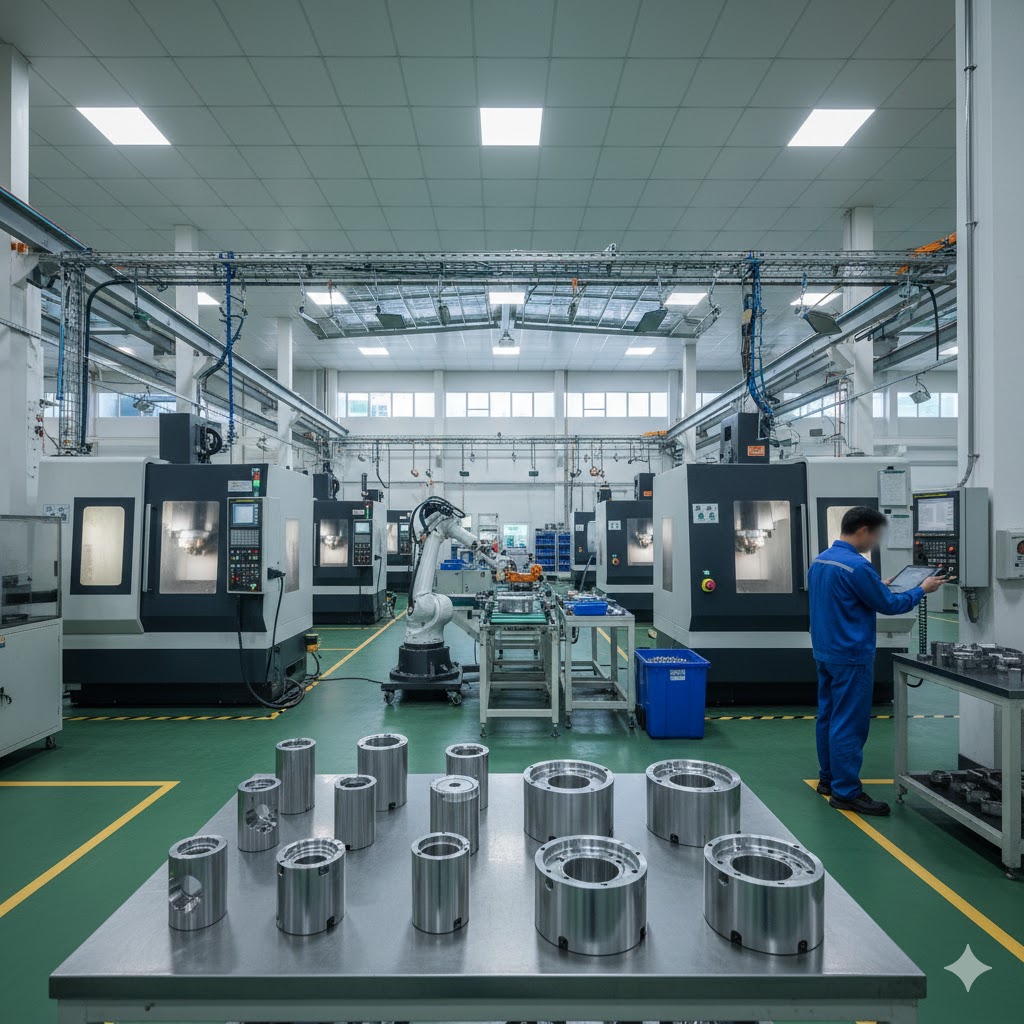
ESG in Machining is rapidly becoming a defining requirement for global buyers sourcing CNC components from Vietnam. As environmental regulations tighten and corporate sustainability commitments expand, ESG in Machining now influences supplier qualification, long-term contracts, and risk management strategies.
In 2026, machining companies in Vietnam must address environmental, social, and governance expectations beyond traditional cost and quality metrics. Therefore, understanding how ESG in Machining integrates into production systems is critical for decision-stage procurement teams seeking reliable and future-ready partners.
ESG in Machining and the Evolution of Compliance
ESG in Machining refers to the structured integration of environmental responsibility, workforce standards, and governance transparency within CNC manufacturing operations. Previously, compliance focused primarily on ISO certifications and quality control. However, global expectations have evolved.
Today, multinational buyers increasingly request carbon data, sustainability documentation, and ethical governance disclosures. Consequently, machining suppliers must adopt measurable ESG frameworks to remain competitive.
While some factories approach ESG as a reporting requirement, leading manufacturers embed ESG principles into operational strategy. This shift strengthens both regulatory alignment and long-term resilience.
Environmental Responsibility in CNC Production
Environmental performance represents the most visible dimension of ESG in Machining. CNC operations consume significant electricity, coolant fluids, and raw materials. Therefore, reducing resource intensity becomes a primary objective.
Environmental initiatives commonly include:
Energy-efficient machining centers
Smart power monitoring systems
Waste chip recycling programs
Coolant filtration and reuse systems
Renewable energy integration
Because energy consumption directly influences carbon emissions, efficiency upgrades provide measurable sustainability benefits. Additionally, digital monitoring tools enable real-time tracking of resource usage.
Suppliers demonstrating structured environmental management align closely with broader Vietnam Green Manufacturing objectives.
Sustainability Reporting in Machining Operations
A structured Sustainability report is essential for communicating ESG performance to global buyers. This report typically outlines environmental metrics, workforce policies, and governance structures.
Key components of a machining sustainability report include:
Energy consumption data
Carbon footprint calculations
Waste reduction statistics
Employee safety performance
Governance compliance frameworks
By compiling data into formal sustainability reports, machining suppliers increase transparency. Furthermore, documented reporting strengthens trust during supplier audits and investor evaluations.
Sustainability reporting is not merely documentation. Instead, it drives internal accountability and continuous improvement.
Carbon Reporting and Emission Transparency
Accurate Carbon reporting forms a critical pillar of ESG in Machining. As carbon border mechanisms and emission disclosure requirements expand, transparent reporting reduces regulatory exposure.
Carbon reporting in machining facilities often involves:
Calculating Scope 1 and Scope 2 emissions
Tracking electricity consumption per production batch
Estimating embodied carbon in materials
Monitoring fuel usage in logistics
Digital systems now automate many carbon tracking functions. Consequently, emission data becomes more precise and easier to audit.
Buyers increasingly prefer suppliers capable of providing carbon reporting data aligned with international accounting standards. This capability simplifies compliance with regional climate policies.
Social Responsibility and Workforce Governance
Although environmental metrics dominate ESG discussions, social responsibility also plays a crucial role.
ESG in Machining requires:
Documented worker safety programs
Regular training initiatives
Fair wage compliance
Clear grievance mechanisms
Strong social governance improves workforce retention and productivity. Moreover, compliance with labor regulations protects buyers from reputational risk.
In Vietnam’s rapidly expanding industrial sector, structured workforce governance enhances stability and operational continuity.
Governance and Management Transparency
Governance structures support ethical decision-making and accountability. Machining suppliers implementing ESG frameworks often establish internal compliance committees and reporting protocols.
Governance mechanisms may include:
Internal audit procedures
Anti-corruption policies
Risk assessment documentation
Whistleblower protections
Because governance maturity reflects management discipline, it significantly influences buyer confidence.
Effective governance integrates seamlessly with quality management systems and environmental policies.
Integration with Vietnam Green Manufacturing
ESG in Machining functions within the broader sustainability ecosystem defined by Vietnam Green Manufacturing. While ESG frameworks focus on reporting and compliance, Vietnam Green Manufacturing represents operational implementation at factory level.
For example, energy-efficient equipment and renewable integration support environmental metrics. Digital monitoring systems generate data for carbon reporting. Structured waste management programs enhance sustainability performance.
Understanding this integration allows buyers to evaluate both policy commitment and operational execution.
Regulatory and Market Drivers in 2026
Global policy shifts continue to accelerate ESG requirements. The European Union’s carbon regulations and expanded climate disclosure rules in North America increase compliance pressure.
As a result, machining suppliers lacking structured ESG systems may face exclusion from international tenders. Conversely, proactive ESG adoption enhances competitiveness.
Vietnam’s industrial modernization strategy increasingly supports sustainability alignment. Government initiatives encourage renewable energy adoption and environmental compliance upgrades.
Therefore, ESG in Machining aligns with both global and domestic policy trajectories.
Evaluating ESG Readiness in CNC Suppliers
Decision-stage buyers should evaluate ESG maturity systematically.
Key evaluation areas include:
Availability of formal sustainability report documentation
Accuracy of carbon reporting data
Environmental certification status
Workforce safety metrics
Governance transparency policies
Requesting structured documentation ensures objective comparison across suppliers.
Additionally, combining ESG evaluation with technical audits strengthens overall sourcing strategy.
Business Benefits Beyond Compliance
Although regulatory alignment remains important, ESG in Machining also delivers business advantages.
Energy efficiency reduces long-term operational costs. Waste reduction improves material yield. Structured governance minimizes legal exposure.
Furthermore, ESG alignment strengthens brand reputation in environmentally conscious markets.
Consequently, sustainability integration becomes a strategic growth lever rather than a compliance burden.
Future Outlook for ESG in Machining Vietnam
The trajectory of ESG in Machining points toward increased digitalization and transparency. Real-time carbon dashboards, automated sustainability reporting, and AI-driven energy optimization will likely become industry standards.
As global buyers demand more granular ESG data, machining suppliers must enhance reporting accuracy and system integration.
Over time, ESG compliance will shift from competitive advantage to baseline expectation.
Conclusion
ESG in Machining has become a decisive factor in CNC supplier selection in 2026. Through structured sustainability report practices, transparent carbon reporting systems, and disciplined governance frameworks, Vietnamese machining suppliers increasingly align with global expectations.
For decision-stage buyers, evaluating ESG readiness reduces regulatory risk and enhances long-term sourcing stability. When integrated with Vietnam Green Manufacturing initiatives, ESG compliance strengthens both environmental responsibility and operational resilience.
In a competitive global market, suppliers demonstrating measurable ESG maturity will secure stronger partnerships and sustainable growth.